Freedom
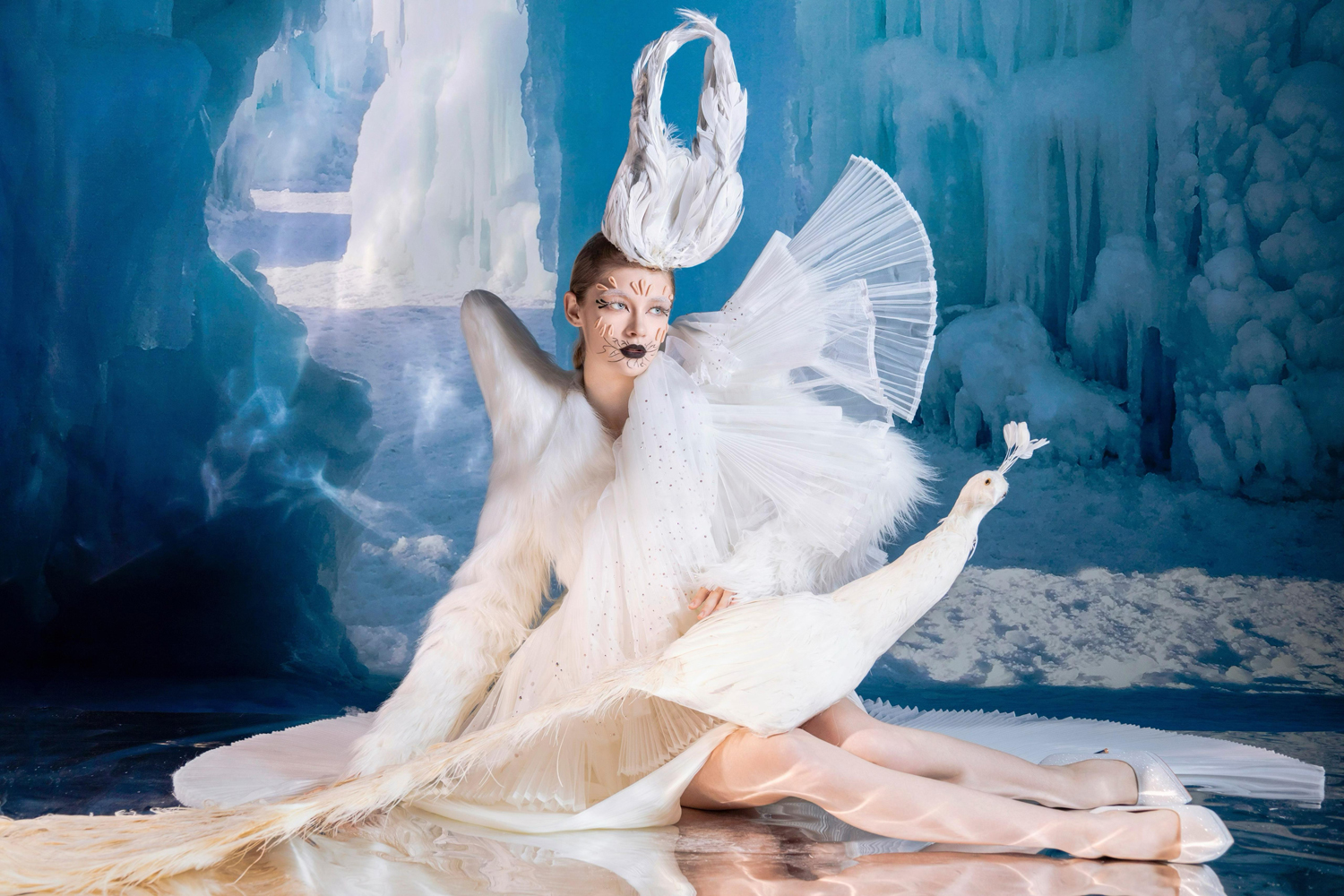
In Indian culture, the concept of freedom is often intertwined with spirituality and religious beliefs. Hinduism, the predominant religion in India, emphasizes spiritual liberation and the freedom to attain enlightenment. The idea of moksha, which is the ultimate liberation from the cycle of birth and death, is a central goal in Hindu philosophy. The peacock, with its vibrant and open feathers, symbolizes the beauty, abundance, and freedom associated with spiritual enlightenment.
Background
"East Meets West" is an inspiration for the design. It refers to the blending or combination of Eastern and Western cultures, philosophies, or practices. It represents an integration or convergence of ideas, traditions, and influences from both the Eastern and Western hemispheres. In various contexts, "East Meets West" can signify the fusion of Eastern and Western cuisine, art, music, fashion, architecture, spirituality, or even medical practices. The design aims to highlight the interaction, exchange, and mutual enrichment between these two distinct cultural spheres.
CONCEPT
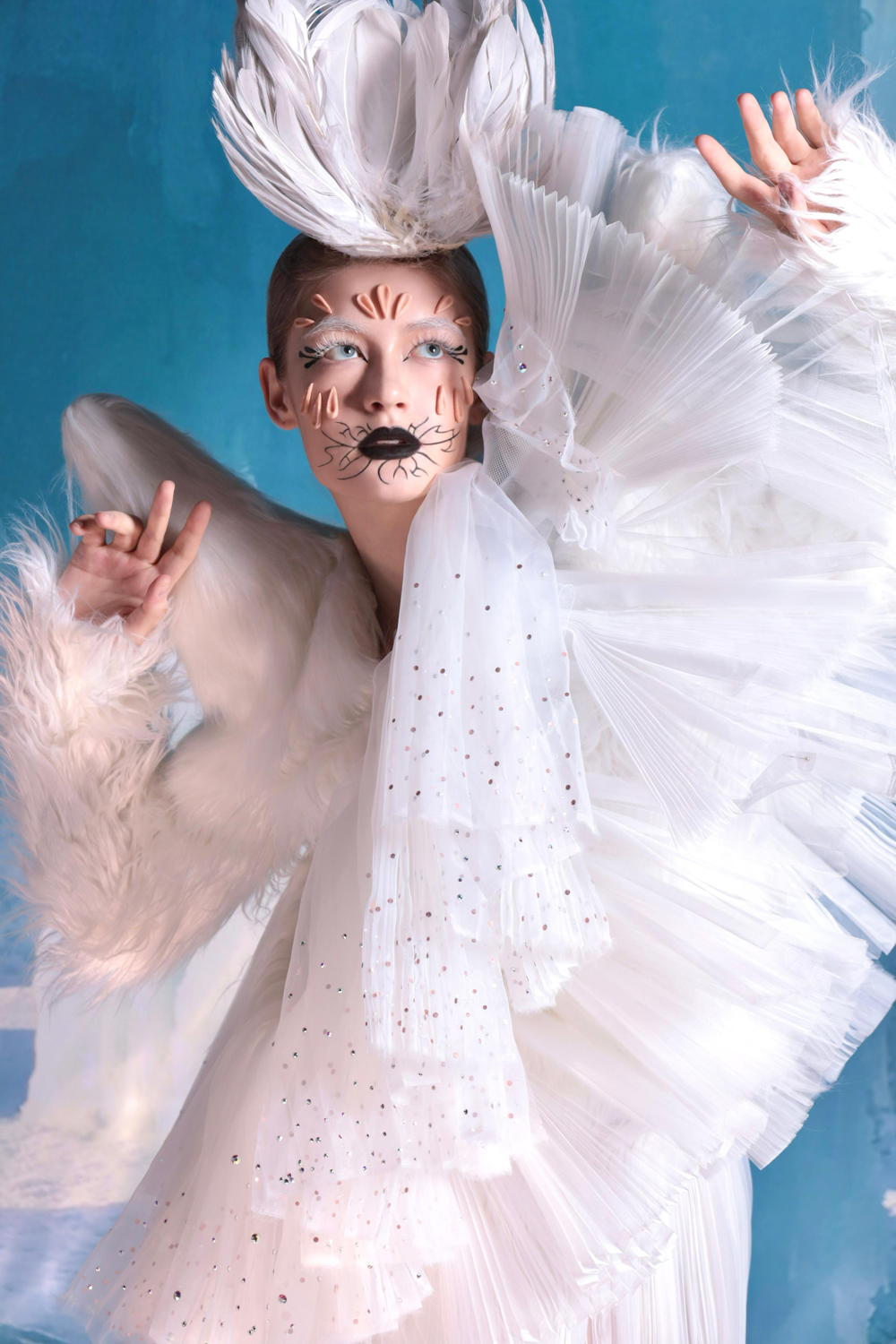
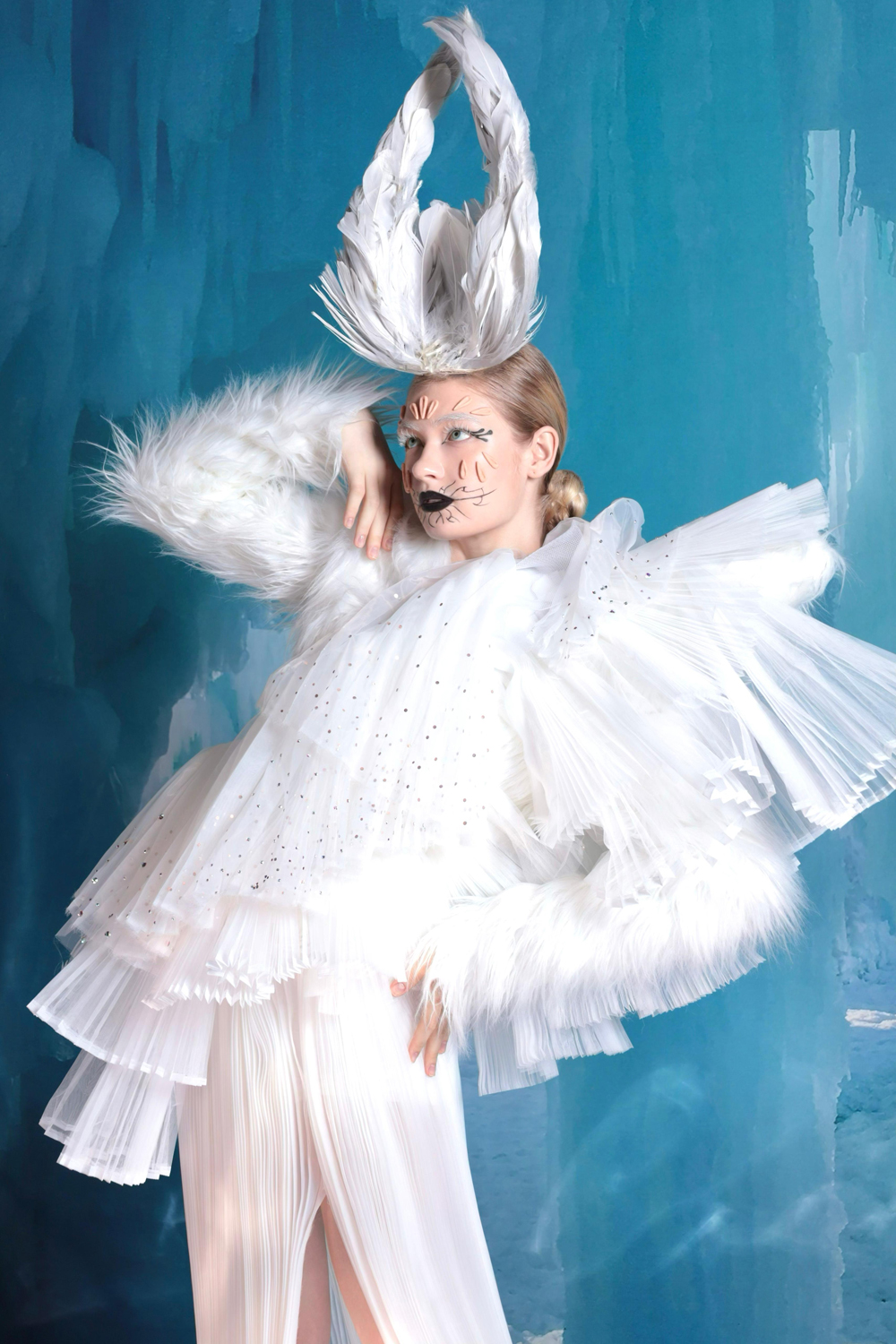
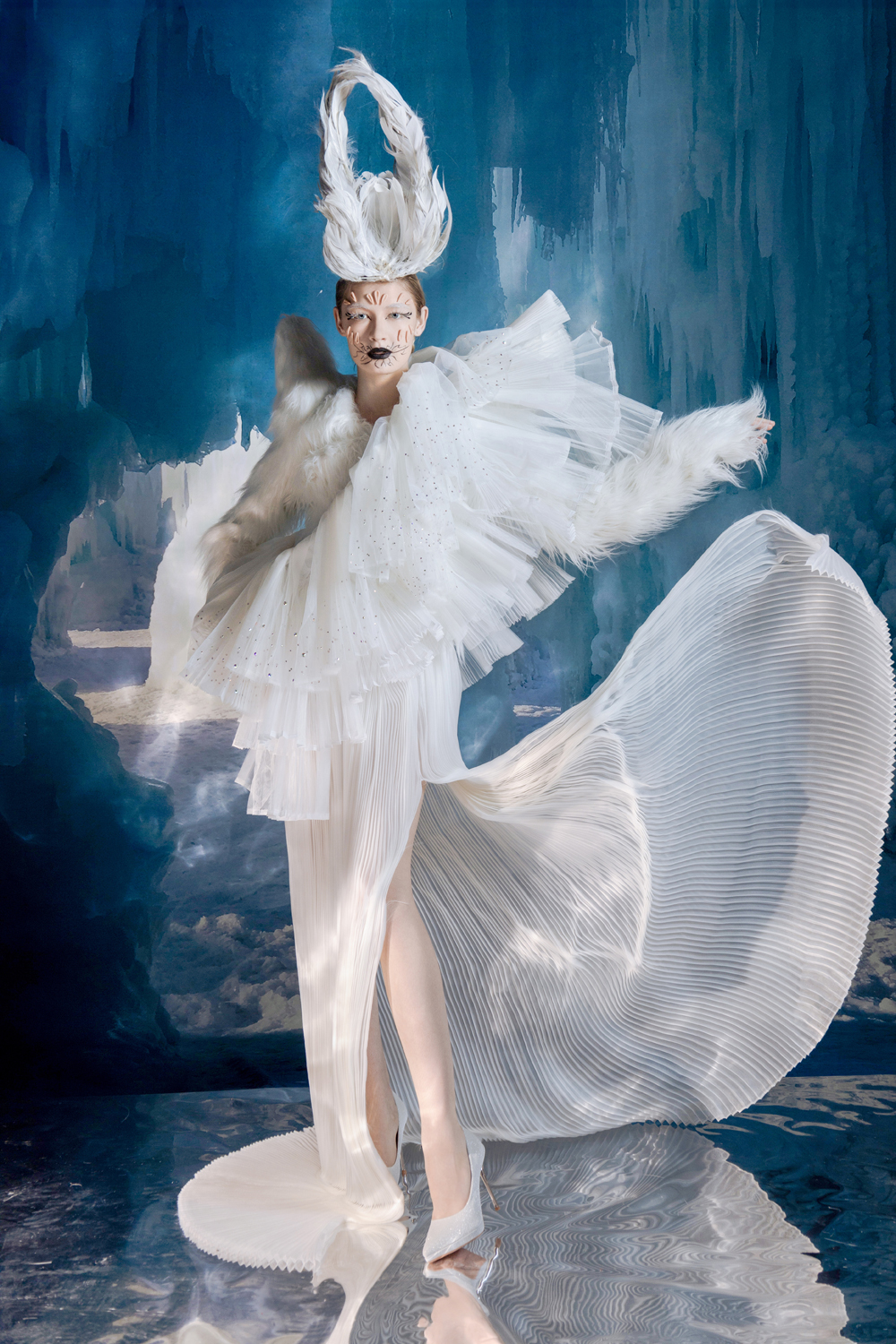
The design draws inspiration from the national bird of India, a peacock scientifically known as Pavo cristatus. With significant presence in Indian traditions and association with Indian folklore, the peacock was declared the national bird of India in 1963. The image is therefore designed to reflect its high esteem in Indian culture, mythology, and history.